Your immune system is one of the most impressive security systems on the planet. It works 24/7, never clocks out, and protects you from an invisible world of bacteria, viruses, fungi, and parasites that would love to use your body as an Airbnb with their friends.
The problem? The immune system is incredibly complex, and that complexity makes it easy for misinformation and marketing scams to thrive. “Boost your immunity!” sounds great but what does that even mean?
To understand what actually helps your body fight disease, you need to understand the basics. And the easiest way to do that is to picture your immune system as having two main weapons:
A “shield” a.k.a. the innate immune system
A “sword” a.k.a. the adaptive immune system
Each plays a different role, and together they keep you alive.
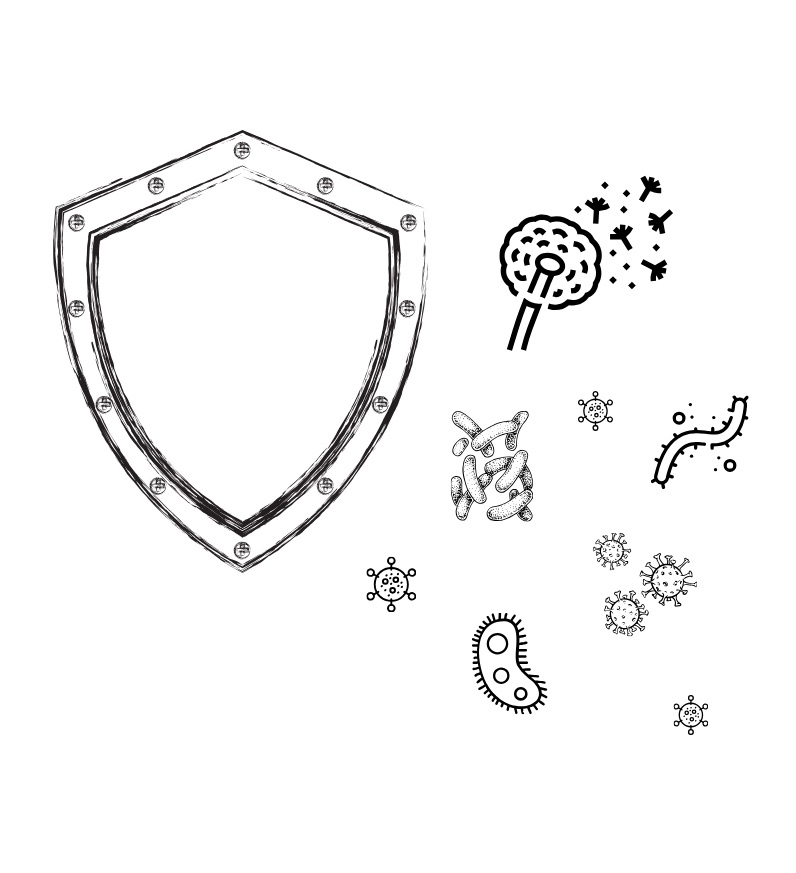
The Shield: Your Innate Immune System
The innate immune system is your body’s first line of defense. It’s fast, automatic, and always on duty. Think of it like a shield that immediately goes up the moment danger appears.
This system doesn’t stop to ask questions. It doesn’t try to identify the intruder. It simply recognizes:
“You don’t belong here.”
Your innate immune system includes:
- Your skin, which acts like a physical wall
- Mucus in your nose and lungs that traps invaders
- Stomach acid that destroys many pathogens before they can do harm
- Immune cells like macrophages and neutrophils that patrol your body and attack (and eat) anything suspicious (kind of like Pacman)
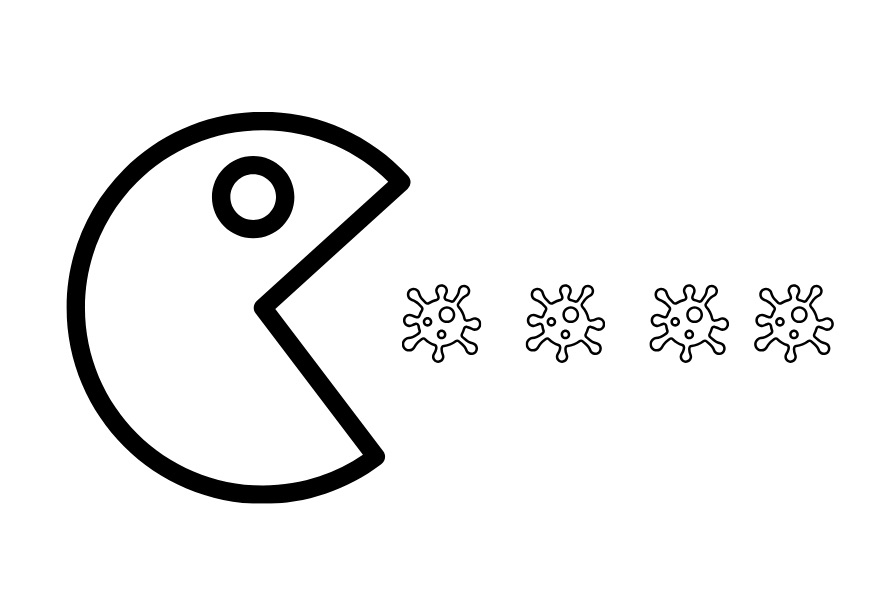
These defenses are non-specific, meaning they respond the same way whether the invader is a cold virus, a flu virus, or a bacterium you picked up on a doorknob.
Why the Shield Causes Symptoms
Ever wonder why you feel feverish, achy, tired, congested, or inflamed when you’re sick?
That’s not the pathogen winning. That’s your shield being raised to protect you. Fever helps slow down pathogens. Inflammation increases blood flow to the battlefield. Mucus traps invaders. Fatigue forces you to rest so your body can focus on defense. In other words, many symptoms of illness are signs that your innate immune system is doing exactly what it’s supposed to do.
When the Shield Isn’t Enough
Some pathogens are clever. They slip past the shield. They hide inside your cells. They replicate quietly before your body fully realizes what’s happening. That’s when your immune system reaches for something more precise.
That’s when the sword comes out.
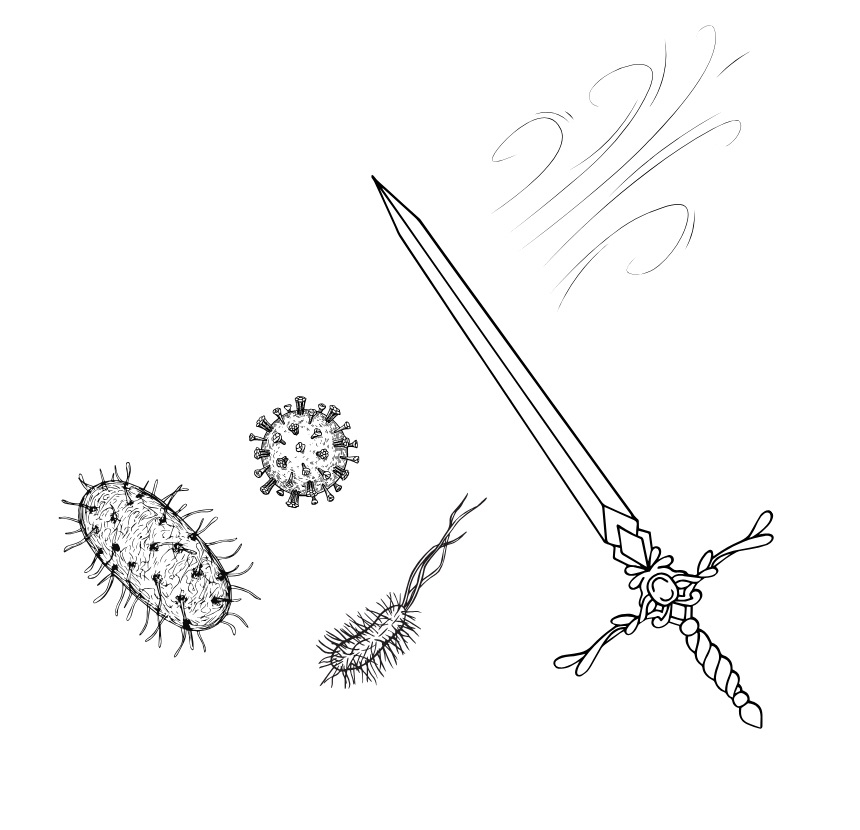
The Sword: Your Adaptive Immune System
The adaptive immune system is slower to activate, but it’s incredibly smart and highly targeted. This is your body’s special forces unit.
Unlike the shield, the sword doesn’t just attack. It learns or adapts.
Once triggered, the adaptive immune system:
- Identifies the specific pathogen
- Produces antibodies that bind to it
- Flags infected cells for destruction
- Remembers the invader for the future
This system involves B cells (which make antibodies) and T cells (which help coordinate the attack and kill infected cells).
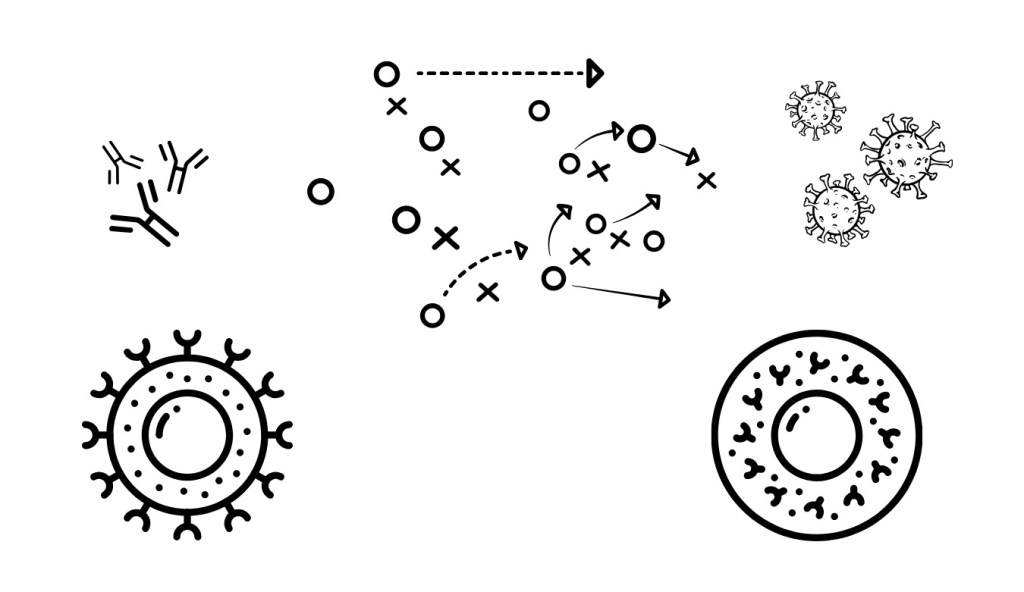
Antibodies: Disabling the Enemy
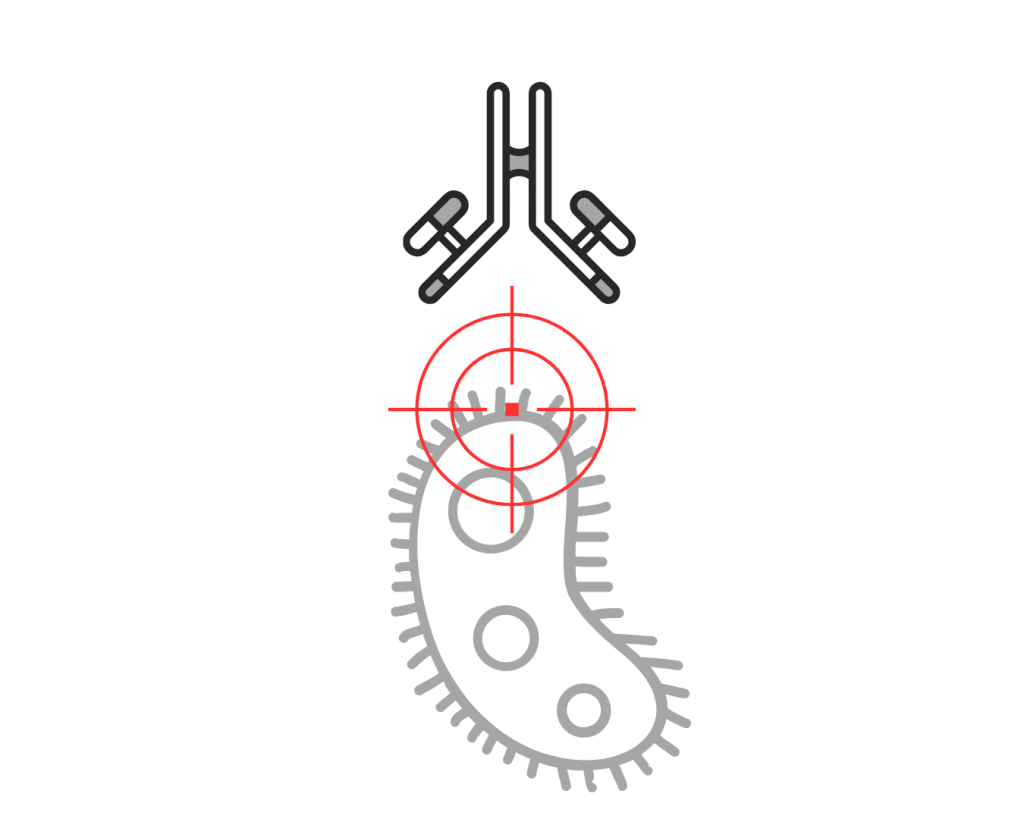
Antibodies are like precision weapons.
They don’t usually “kill” pathogens outright. Instead, they:
- Block viruses from entering your cells
- Mark invaders so other immune cells can destroy them
Once antibodies latch on, the pathogen is effectively disarmed.
Even better? Some of those immune cells become memory cells, meaning your body remembers that pathogen. If it ever shows up again, the special forces of your immune system can respond faster and stronger.
That’s immunity.
Why Understanding Immunity Matters
Here’s where understanding the shield and sword really pays off.
You cannot “boost” your immune system like turning up the volume on a speaker. An immune system that’s too active can cause allergies, autoimmune diseases, and chronic inflammation.
What you can do is support it:
- Sleep helps immune cells communicate
- Eating a well-balanced diet including fruits and veggies
- Getting vaccines to safely train the adaptive immune system
- Staying active and getting outside
Many products promise instant immune miracles because they rely on confusion. Your immune system isn’t magic, it’s biology. And biology follows rules.
The Takeaway: Know Your Shield, Respect Your Sword
Your immune system doesn’t need hype. It needs understanding.
When you understand how these systems work together, it becomes much easier to tell the difference between real science and good marketing. If you have any concerns about your health always consult a doctor or professional.
Understanding is always the first step toward making better health decisions.
Next time you get sick, don’t panic, just think like a scientist.
Special thanks to Dr. Aimee Pugh Bernard for her expertise and assistance with this post.


Leave a comment