Public health is everywhere… until it isn’t.
Most of the time, you don’t think twice about turning on your tap and drinking clean water. You assume the food you buy is safe to eat. You go about your day without worrying about the air you breathe or whether a disease is quietly spreading through your community. That’s public health doing its job.
At its core, public health is about helping people stay healthy before they ever get sick. It’s not just hospitals and doctors. It’s the systems, policies, and people working behind the scenes to protect entire communities.
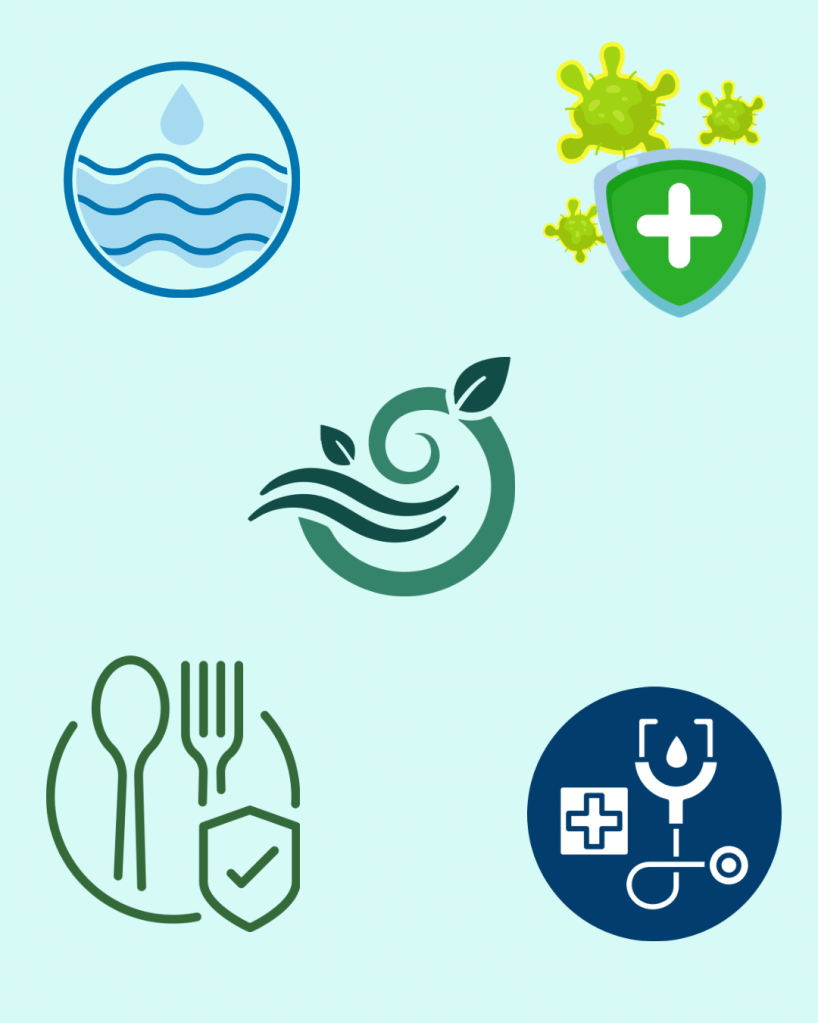
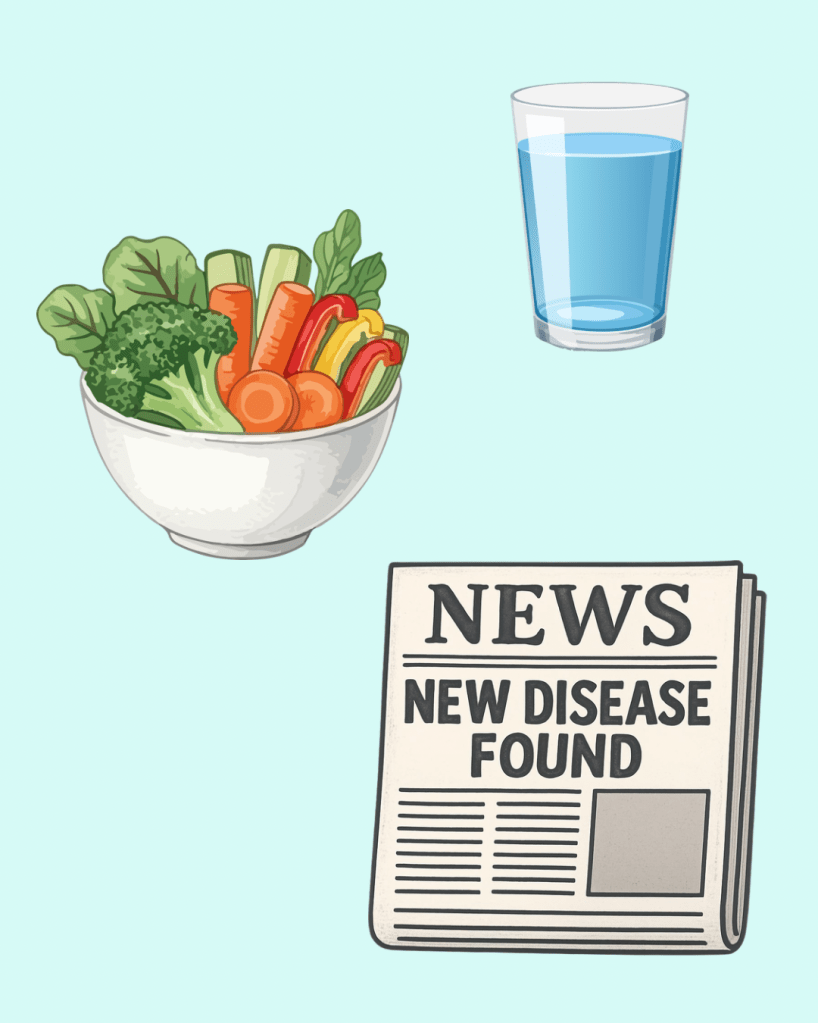
Public health touches nearly every part of your daily life. It’s the water you drink and the food you eat. It’s the safety standards in restaurants and grocery stores. It’s the parks and sidewalks that make it easier to stay active. It’s the monitoring of chronic diseases like diabetes and heart disease. It’s also the rapid response to disease outbreaks and the communication that keeps people informed.

Ever wonder how we know when flu season is getting worse in your area? That comes from surveillance systems tracking what diseases are circulating in real time. Those data help guide decisions, from vaccine recommendations to hospital preparedness.
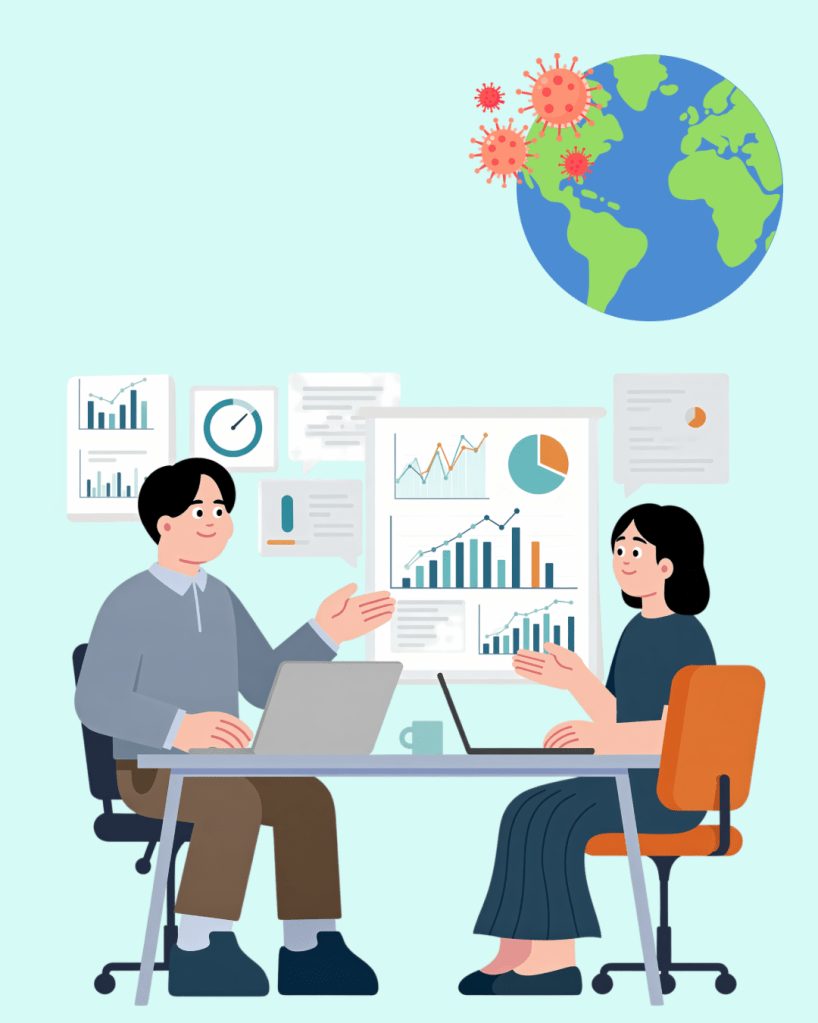
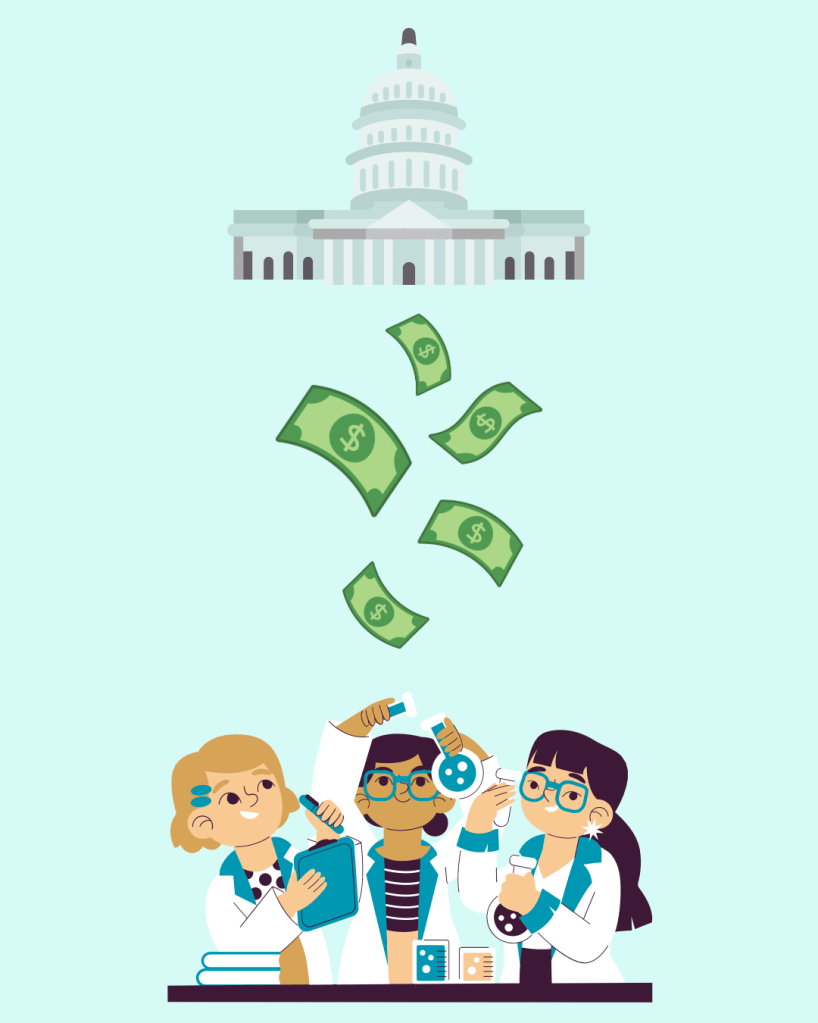
And this work happens at every level. Local county health departments are on the ground in your community. State health departments coordinate larger efforts and resources. On the national level, organizations like the Centers for Disease Control and Prevention and the National Institutes of Health help set standards, fund research, and support programs across the country. Much of the funding that supports public health efforts at the state and local level flows from these federal agencies.
But here’s the catch. Public health is largely invisible when it’s working well. You don’t see the outbreaks that were prevented. You don’t notice the contamination that never happened. You don’t hear about the diseases that were caught early and stopped from spreading.
You only notice public health when something goes wrong.
When funding is cut, the effects ripple quickly. Fewer staff means less testing, less outreach, and fewer prevention programs. Surveillance systems weaken, making it harder to detect outbreaks early. Community programs that support nutrition, physical activity, and chronic disease management may disappear. And suddenly, the safety net that was quietly protecting you starts to thin.
Public health is one of our most powerful tools for prevention. It doesn’t just respond to crises. It works every day to stop them from happening in the first place.
So the next time you drink a glass of water, grab a meal, or hear about disease trends in your area, take a second to think about the systems behind it all. If you ever get to meet a public health worker, thank them for all the hard work they do.
That’s public health. Working quietly, constantly, and often unnoticed, to keep you and your community safe.

 Think Like a Scientist
Leave a comment