
Stem cells are one of the most promising and controversial areas of modern science. They have been debated in politics, questioned in ethics, and at the same time celebrated for their potential to save lives.
So what is really going on?
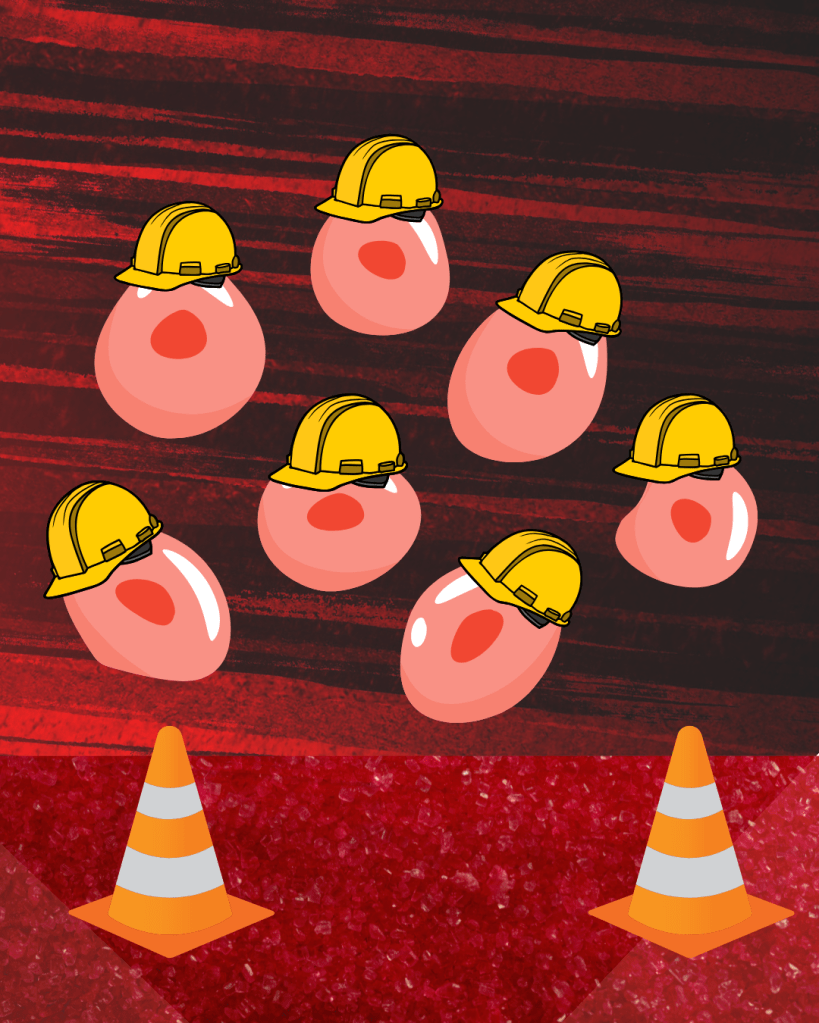
Think of stem cells like construction workers for your body. They are responsible for building, repairing, and maintaining your tissues. Not all workers have the same skills, and how we “hire” and use them is where the science and controversy begin.
What Are Stem Cells?
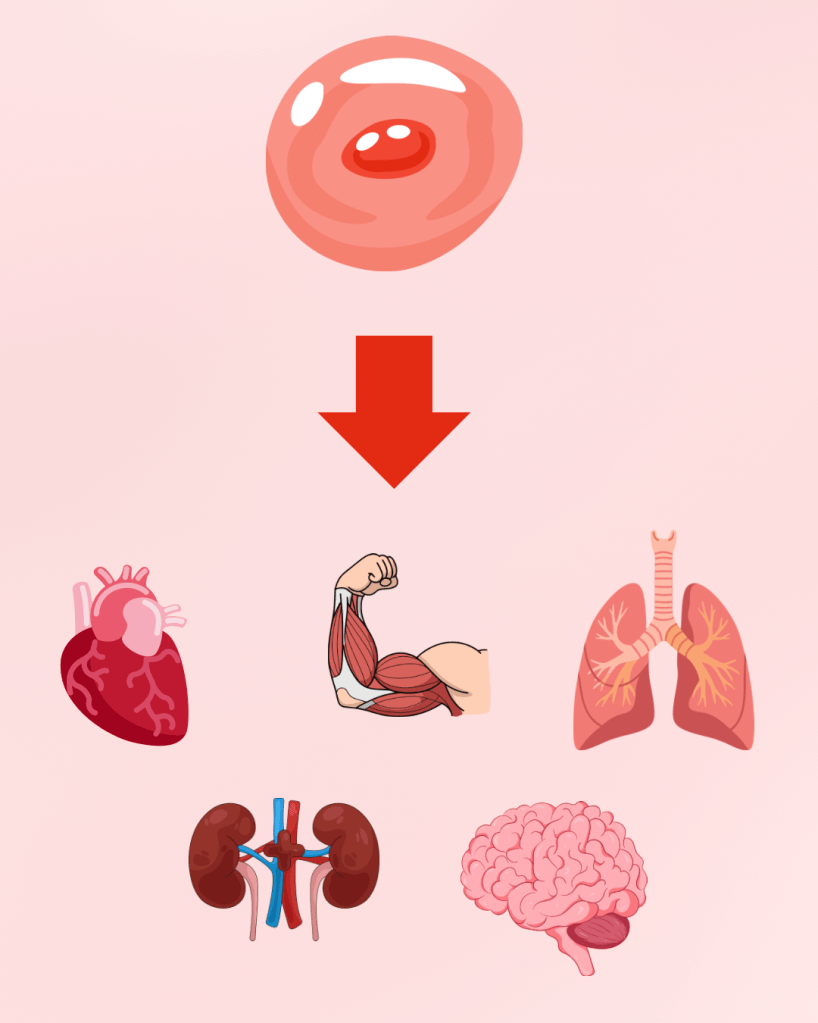
Stem cells are unspecialized cells with two key abilities:
They can make more of themselves They can become other types of cells in the body
Just like construction workers can be assigned different jobs, stem cells can be directed to become muscle, brain, blood, or other specialized cells.
The Three Main Types
Not all stem cells are the same. Each type comes with its own strengths, limitations, and ethical considerations.
Embryonic Stem Cells
These come from early-stage embryos, often from in vitro fertilization (IVF). With patient consent, unused embryos can be donated to research instead of being discarded.
These are like master builders because they can become almost any cell type in the body. But with that flexibility comes complexity. They are harder to control, and their use raises ethical concerns, which is why they are more tightly regulated.

Adult Stem Cells
Adult stem cells are found in tissues like bone marrow and fat.
These are more like specialized contractors. They can only perform certain jobs related to their tissue type, but they are:
Easier to obtain Less expensive More predictable Widely used in current medicine
They are already used in treatments like bone marrow transplants.

Induced Pluripotent Stem Cells (iPSCs)
iPSCs are where science starts to blur the lines.
Scientists take adult cells like skin cells and reprogram them back into flexible, embryonic-like cells.
It is essentially turning a specialized worker back into a master builder.

These cells:
Avoid the need for embryos Can be patient-specific Offer huge research potential
The controversy? This technology could potentially be used to create embryo-like structures or push into cloning research, which is why it is closely monitored.
How Are Stem Cells Used Today?
Stem cells are already shaping medicine and research in powerful ways.
Treating Disease
They are used in therapies like bone marrow transplants for blood cancers. Researchers are also exploring how they could help treat diseases like Parkinson’s and Alzheimer’s by repairing or replacing damaged cells.
Studying Disease
With iPSCs, scientists can take a patient’s cells and recreate disease in the lab. This allows them to study how conditions develop and test treatments more effectively.
Changing Drug Testing
Stem cells are also being used to grow mini-organs (organoids) that mimic human tissues.
This allows researchers to:
Test drugs more accurately Reduce reliance on animal testing Better predict how treatments will work in humans
The Bigger Picture
Stem cell research is a balance between innovation and responsibility.
Embryonic stem cells offer the most flexibility but raise ethical concerns. Adult stem cells are practical but more limited iPSCs bridge the gap but introduce new ethical questions
Next time you hear about stem cell research, think like a scientist and ask not just what is possible, but also how and why it matters.

 Think Like a Scientist
Leave a comment