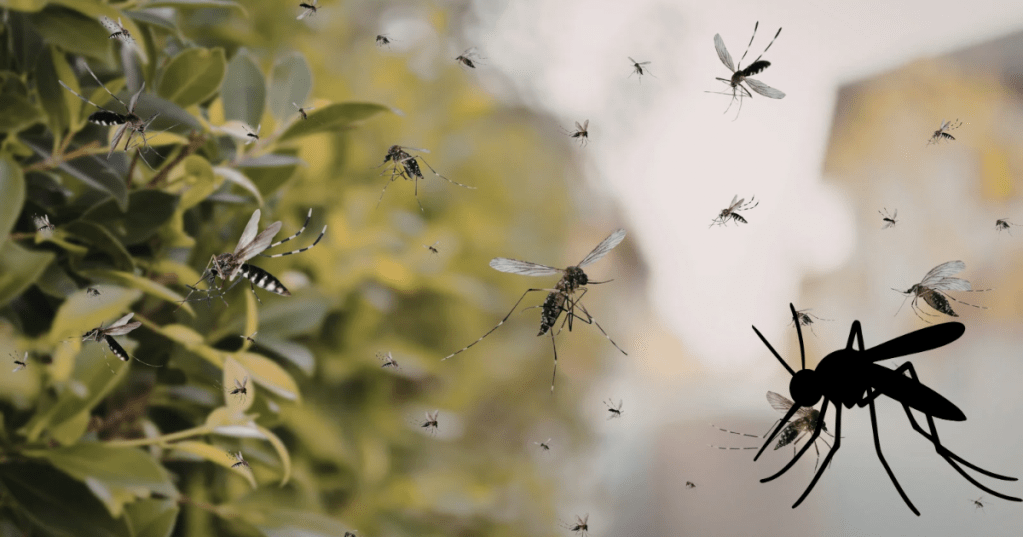
When people hear “deadliest animal,” they usually picture sharks, lions, or snakes. Something big. Something with teeth.
But the truth is far more unsettling.
The world’s deadliest animal is tiny, fragile-looking, and often dismissed as a nuisance: the mosquito.
Despite its size, the mosquito kills more people each year than any other animal on Earth. Not because of the bite itself, but because of what that bite can carry.
A Tiny Menace With a Massive Impact
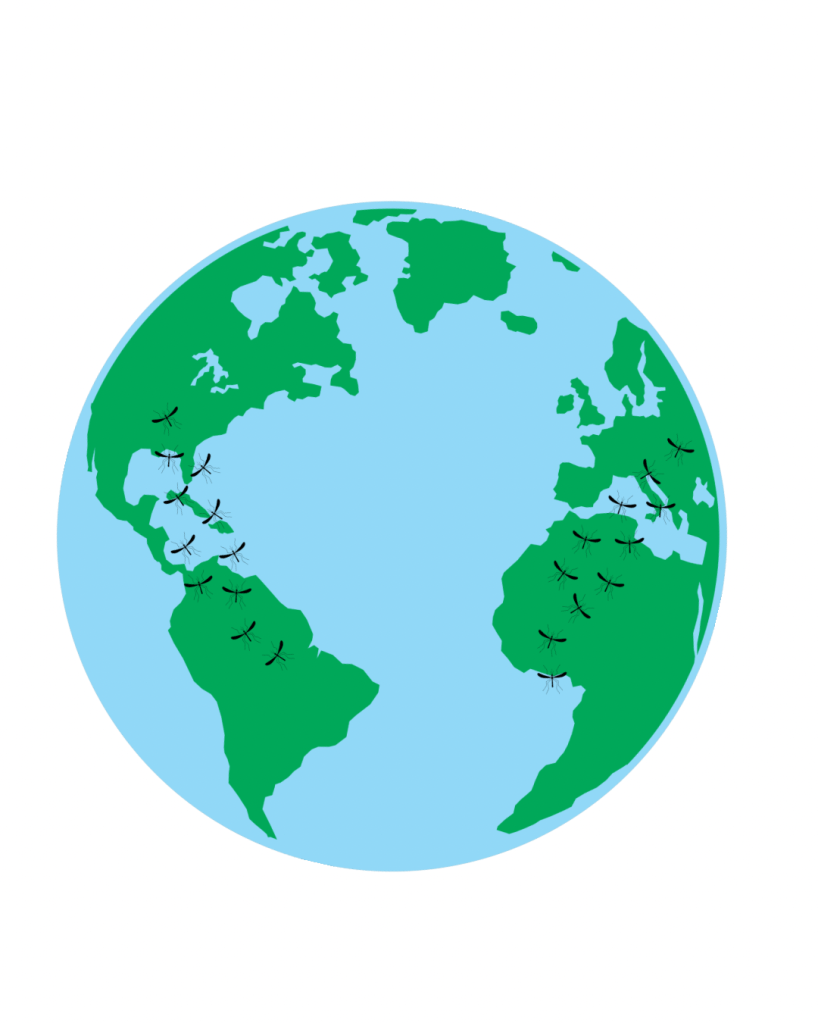
Mosquitoes are responsible for spreading some of the world’s most dangerous diseases, including malaria, dengue, Zika virus, chikungunya, and yellow fever. These illnesses are most common in warm, humid regions such as Central America, South America, Central Africa, and South Asia, places where mosquitoes thrive year-round.
But mosquito-borne disease isn’t just a “far away” problem.
Here in the United States, locally acquired infections do occur, with West Nile virus being the most common. Mosquitoes don’t need passports. As climate patterns shift and global travel increases, their reach continues to expand.
When Our Best Weapons Stop Working
While working at the Centers for Disease Control and Prevention, I had the opportunity to assist with mosquito genetics research, and what scientists are seeing is both fascinating and concerning.
Mosquitoes are evolving.
Some species are no longer dying when exposed to insecticides that once worked reliably. Through genetic mutations, they’ve developed ways to survive despite our best efforts to control them. This resistance makes prevention harder and raises the stakes for innovation.
How Science Is Fighting Back
The good news? Scientists aren’t backing down.
One of the most exciting areas of research focuses on genetic approaches to mosquito control, not just killing mosquitoes, but stopping disease transmission at its source.
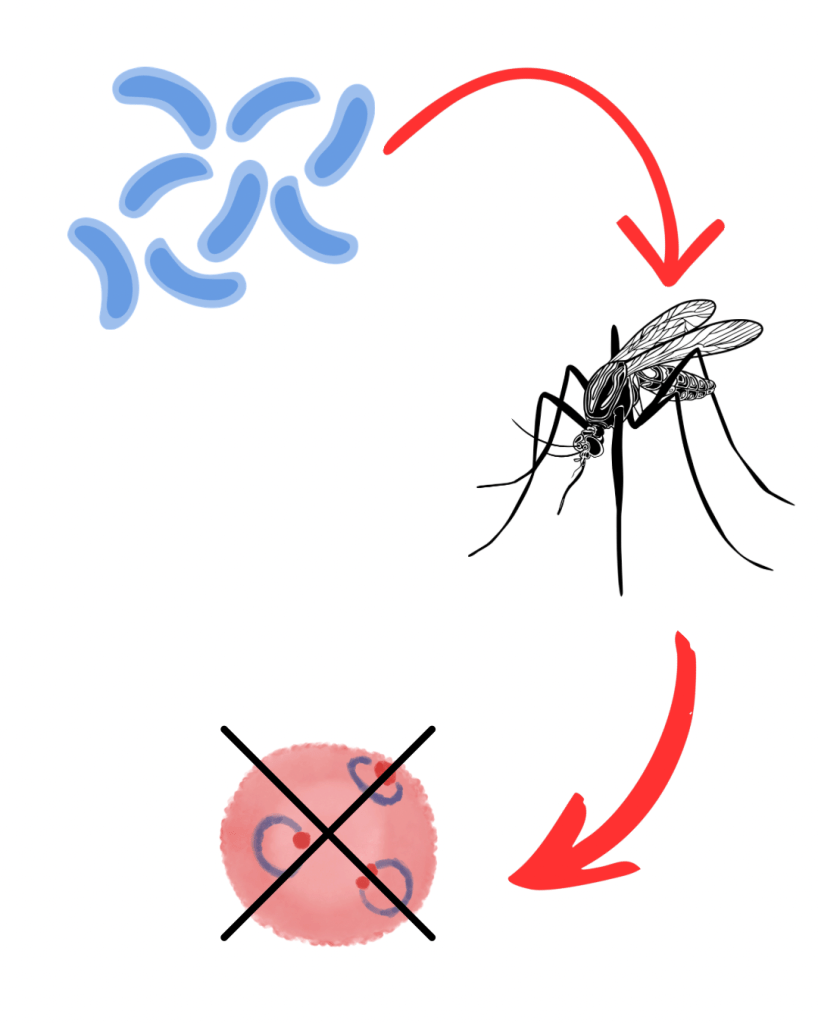
Researchers are studying mosquitoes infected with Wolbachia, a naturally occurring bacterium that prevents mosquitoes from becoming infected with the viruses that harm humans. When these mosquitoes breed, disease transmission drops dramatically. Instead of eradicating mosquitoes entirely, this approach aims to make them less dangerous.
It’s a powerful example of how science can outsmart one of humanity’s oldest enemies, and potentially save thousands of lives worldwide.
How You Can Protect Yourself (Starting Today)
While global research continues, personal prevention still matters, especially during mosquito season.
Here’s what you can do:
-Wear bug spray when spending time outdoors, especially at dawn and dusk.
-Dump standing water from buckets, planters, birdbaths, and gutters (mosquitoes lay eggs in even the smallest collections.)
-Cover up with long sleeves and pants when possible.
-Protect your home with window screens and repellents.
These small actions add up. Fewer breeding sites mean fewer mosquitoes. Fewer mosquitoes mean fewer opportunities for disease.
Fun (and Slightly Disturbing) Mosquito Facts
1) Only female mosquitoes bite. Females need a blood meal to lay eggs.
2) Not all mosquitoes carry disease, only certain species.
3) A single bite can have global consequences.
The Takeaway
Mosquitoes may be tiny, but their impact on human health is enormous. They’ve shaped history, influenced population growth, and continue to challenge modern science.
But between cutting-edge genetic research and everyday prevention, we are not powerless.
The next time you swat a mosquito, remember: this isn’t just about an itchy bite. It’s about protecting yourself, your community, and, ultimately saving lives.
And that’s a fight worth taking seriously.

 Think Like a Scientist
Leave a comment