

Dearest Gentle Reader,
It is the author’s greatest delight to welcome you into another season, not of courtship and whispered scandals, but of coughs, cures, and curious medical convictions. While the ton may sparkle beneath chandeliers and silk gloves, let us not forget that beneath those embroidered sleeves beat bodies far more fragile than our own. For all the romance of ballrooms made famous by Bridgerton, the early 1800s were a perilous time to fall ill, and an even more perilous time to seek treatment.
Picture, if you will, the households of our fair city. The grand families, the modest ones, and all those in between shared a common enemy: disease. Childhood was especially treacherous; many never survived long enough to dance their first waltz. Without antibiotics, vaccines, or even a clear understanding of germs, physicians relied on ancient teachings, most notably the Greek theory of humorism.
According to this belief, the body was governed by four humors: blood, phlegm, black bile, and yellow bile. Health, it was said, came from balance. Illness? A most unfortunate excess or deficiency. Thus, doctors of the era became less detectives of disease and more accountants of bodily fluids, determined to restore equilibrium by any means necessary.
The Case of Lord Hawthorne and the Leeches Most Unwelcome
When Lord Hawthorne, a portly gentleman fond of rich dinners and stronger drink, awoke with a swollen toe and searing pain, the diagnosis was swift: gout. The remedy? Bloodletting.
The family physician arrived with confidence and a small leather case. A ribbon was tied firmly around the lord’s leg, a precise incision made, and a measured amount of blood released. In other cases, epilepsy, migraines, vertigo, even dreaded illnesses like smallpox or plague. Leeches were applied, their wriggling bodies believed to draw out excess blood and restore harmony.
To modern eyes, this may seem more horror than healing, but to the Regency doctor, it was science. Blood, after all, was thought to be the most temperamental of humors.

Miss Eleanor Finch and the Tincture of Many Promises
Not all ailments required such dramatic measures. Miss Eleanor Finch, pale and often faint, complained of stomach troubles and a persistent sadness that no promenade could cure. For her, the answer came in a small glass vial.
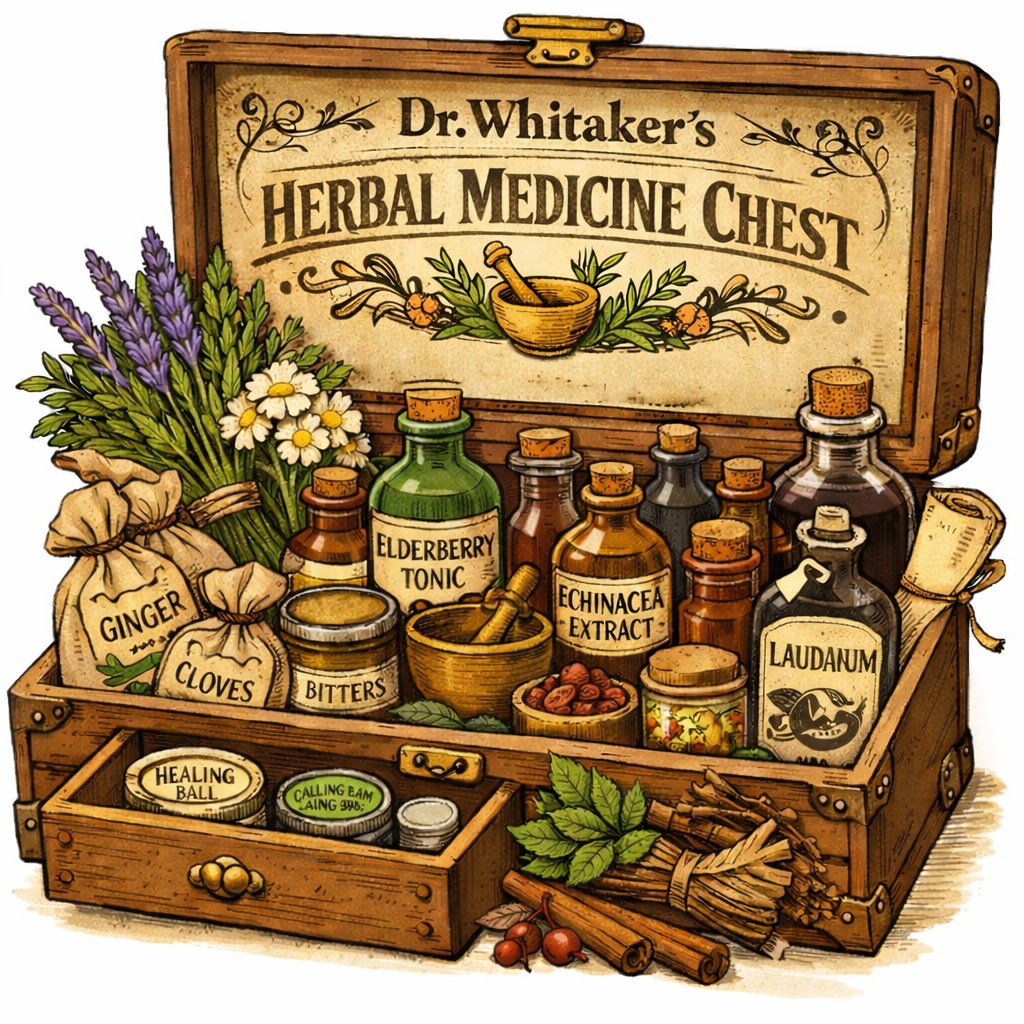
Tinctures were a mainstay of early 19th-century medicine. Physicians and apothecaries mixed herbs, lavender, valerian, peppermint, wormwood, into alcohol or water. These concoctions were prescribed for everything from gastrointestinal distress and diarrhea to depression and fainting spells.
Eleanor was instructed to take a spoonful each evening. Whether it was the herbs, the alcohol, or the simple comfort of being treated, she soon declared herself improved. In a time with few alternatives, belief itself was often part of the cure.
The Bennett Children and the Perils of a Simple Cold
While romance bloomed in drawing rooms, danger lurked in drafts and damp weather. A common cold could easily progress to a bacterial infection, inflaming the lungs and turning a mild sniffle into a life-threatening ordeal.
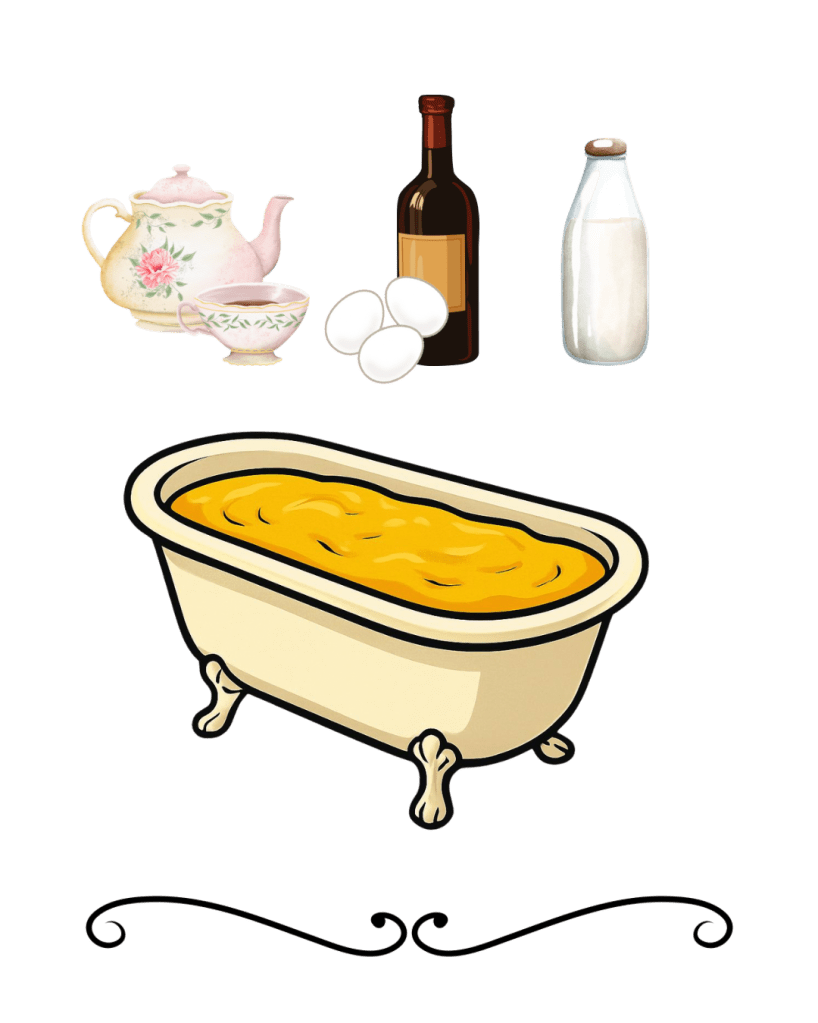
When the youngest Bennett child developed a fever and rattling cough, the household sprang into action. The remedy of choice: a mustard bath. The child was gently immersed in warm water mixed with mustard powder, believed to draw toxins out through the skin. It stung, it steamed, and it was endured with the hope of recovery.
Later, a hot drink was prepared, eggs were beaten with milk and ale. The drink was meant to soothe the body and coax sleep. Rest, warmth, and a bit of luck were often the only true defenses against worsening illness.
A Season of Silk… and Survival
It is easy to be swept away by visions of candlelit balls, lavish gowns, and flirtations conducted behind fans. Yet for all its elegance, life in the Regency era was a careful dance with mortality. Medicine was rooted in tradition rather than evidence, and treatments could be as dangerous as the diseases themselves.
And still, people persevered. Families cared for one another. Doctors did what they believed best with the knowledge they had. Each survival was a quiet triumph; each recovery, a small miracle.
So the next time you find yourself romanticizing life in the early 1800s, remember this, dear reader: beneath the finery lay a world where a fever could fell a fortune, and a leech might be prescribed with the same confidence as a cure.
Until next season,
Lady Scienceton

 Think Like a Scientist
Leave a comment