By Anna Chitwood, Archaeologist
Editor’s Note:
The following piece is written in the voice of archaeologist Anna Chitwood. Her firsthand experiences working in Cultural Resource Management offer a realistic look at what archaeology looks like outside of movies and pop culture.
Archaeology is the study of the human past through materials they leave behind. This is a really fancy way of saying archaeologists study ancient trash. By studying the things people leave behind, we are able to piece together what life may have been like thousands of years ago.
Archaeology vs. the Movies
But what is archaeology really like? In movies such as Indiana Jones, you see a man who goes on adventures and stops the bad guys while trying to save some ancient artifact. Archaeology in real life is not nearly as grand.
First of all, archaeology is a woman dominated field! So instead of imagining Indiana Jones as Harrison Ford, picture Halle Berry or Anne Hathaway.
Also, archaeologists are often working within their own country. Although there are many archaeologists who regularly leave the country to work on excavations in places like Peru or Italy, the majority of archaeologists work near home.
The archaeologists who travel to other countries to excavate are most often university professors who apply for grants to cover all the big expenses attached to our work.
What Archaeologists Actually Do
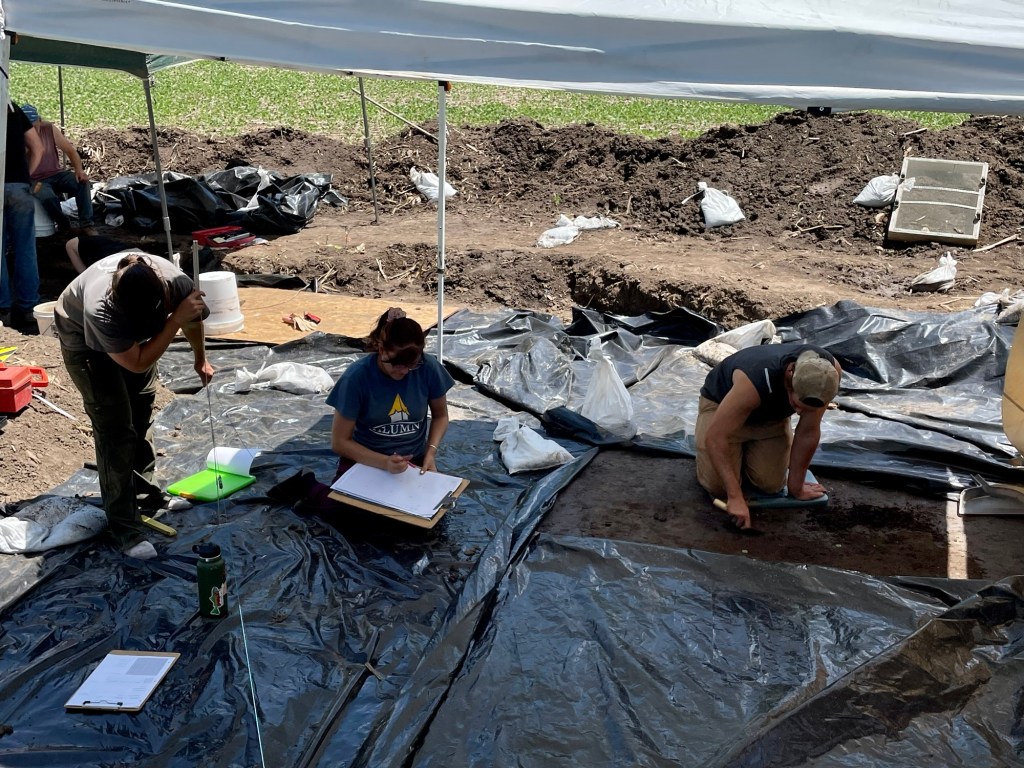
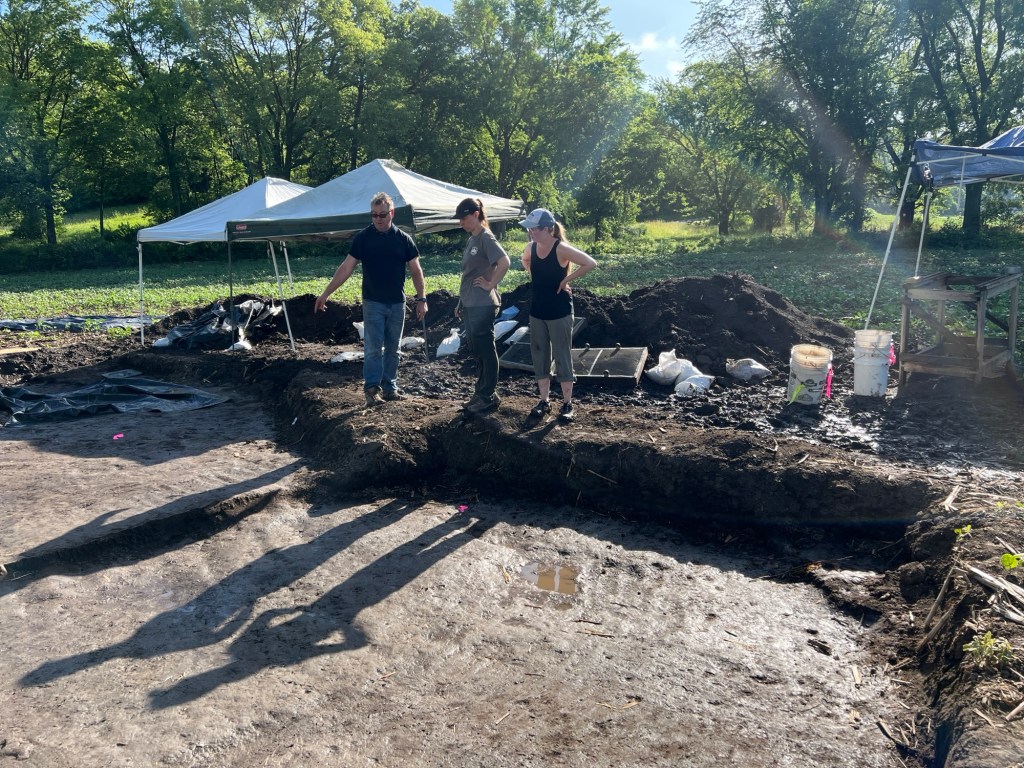
Archaeology in many ways is very monotonous especially for those who work in Cultural Resource Management (CRM). Over 90% of archaeologists in the US work in CRM, a field dominated by projects related to development.
The state of Georgia wants to widen Highway 20? Well before anything is done, archaeologists must survey where the widening may occur to ensure no culturally sensitive materials are damaged or destroyed.
However, sometimes there are loopholes to the laws and companies can just pave over or “move” an ecosystem to a new area.
When You Find… Nothing
“Of the many projects over the last 4 years I have completed, many of them have resulted in zero archaeological findings, meaning no artifacts, ruined buildings, or anything else under the archaeology umbrella was found. Nothing like Indiana Jones finding golden talismans.”
Why Archaeology Still Matters
So why does archaeology matter? Archaeology is related to our past as well as to the environment. In the US, most of the surveys completed in CRM are required due to environmental laws (NEPA) and preservation acts (ARPA, NHPA).
To break it down a bit more without having to explain the ins and outs of these laws, CRM archaeology is required when a development project involves either federal money, federal land, or federal permitting.
Therefore the role of CRM is to ensure any impact to the environment or cultural resources is determined before a project proceeds. It is all about understanding the consequences of our actions and how we might avoid causing harm.
If we fail to take the time to protect and preserve now, then we lose parts of our history forever.
About the Author
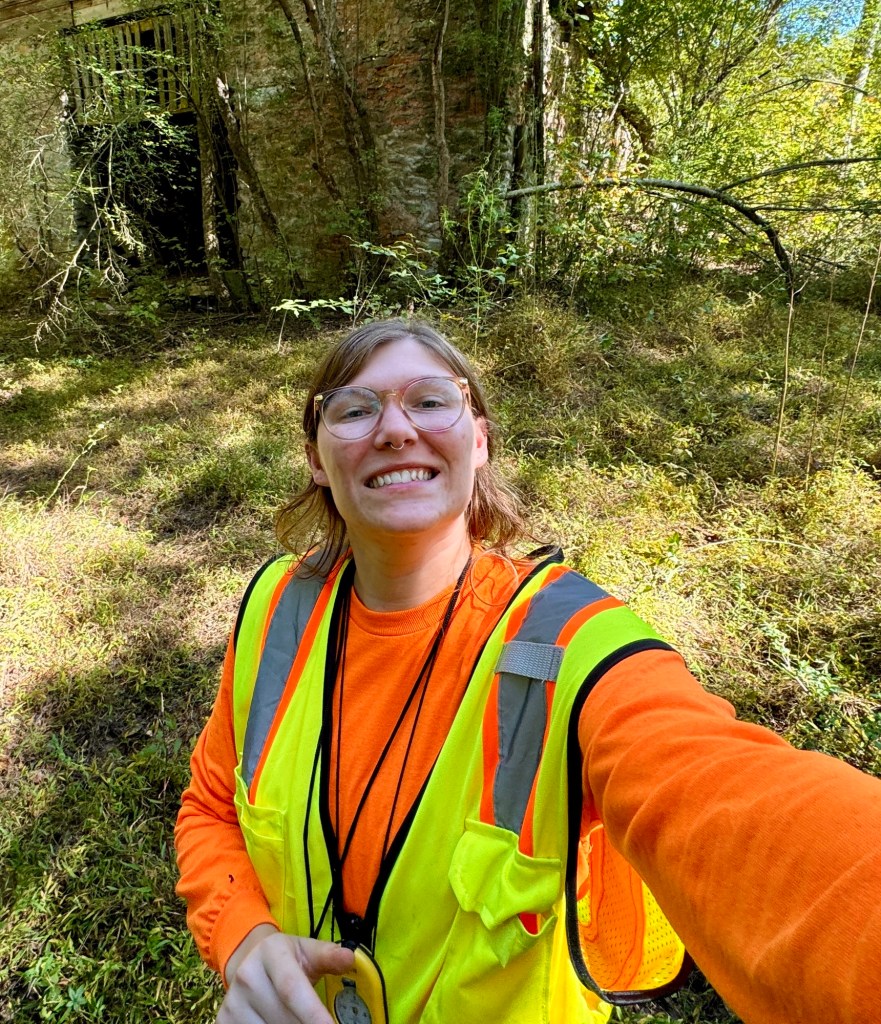
Anna Chitwood is an archaeologist with experience working in Cultural Resource Management (CRM) across the United States. Anna started her career in archaeology in 2021 and since has worked in 11 states and a US territory. She achieved her Masters of Anthropology in 2024 with a regional focus in the Caribbean. Since her graduation, she has worked in cultural resource management. Her work focuses on balancing development, environmental protection, and the preservation of cultural history.

 Think Like a Scientist
Leave a comment