While Jon Snow knew nothing, John Snow knew exactly where to look.
On a cold night in Soho, London, folks were falling sick to cholera. There was no stopping the illness. Everyone was scared they would be next.
It was the early 1850s, and London was a city bursting at the seams with crowded homes, narrow streets, and the constant hum of industry. But something darker than smog was creeping through Soho. Cholera struck swiftly and brutally. Healthy people were fine in the morning and dead by nightfall. Fear spread faster than the disease itself.
At the time, most doctors believed in the “miasma theory;” the idea that diseases floated through the air as poisonous vapors. Bad smells meant bad health. The stronger the stench, the greater the danger. It made sense to people living among open sewers and rotting waste. But one man wasn’t convinced.
His name was John Snow.
The Hero of SoHo
John Snow didn’t come from wealth or privilege. Born in 1813 to a working-class family, he apprenticed as a surgeon at a young age and built his career through grit and curiosity. He was meticulous, observant, and most importantly, skeptical. Snow believed medicine needed evidence, not assumptions.
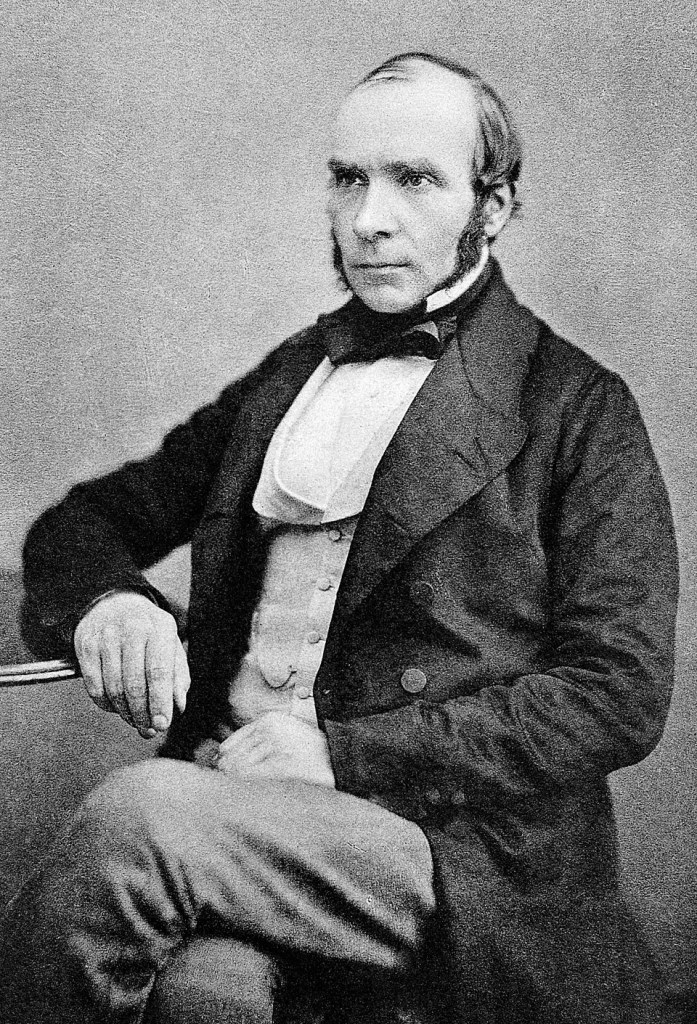
By the time cholera returned to London in 1854, Snow already suspected something radical for the era: cholera wasn’t airborne at all. He believed it was waterborne.
That idea alone put him at odds with the medical establishment. But Snow didn’t argue loudly or dramatically. He did something far more dangerous to bad ideas. He gathered data.
The Cholera Contamination
Soho became ground zero. Families were dying entire households at a time. Coffins lined the streets. Panic ruled.
Snow walked those streets.
He knocked on doors. He spoke with grieving families. He asked questions that others didn’t think to ask:
Where did you get your water?
Which pump do you use?
Who in the house fell sick first?
This is where epidemiology enters the story, not as a textbook definition, but as a method of detective work.
Epidemiology is the science of patterns: who gets sick, where they get sick, and why. It’s about tracing clues left behind by disease and using them to stop the next victim from falling.
John Snow was practicing epidemiology before most people even had a word for it.
The Map
As Snow gathered information, he began plotting deaths on a map of Soho, each fatality marked carefully, one by one. The result looked less like a medical chart and more like a crime scene.
The deaths clustered tightly around one location: the Broad Street water pump.
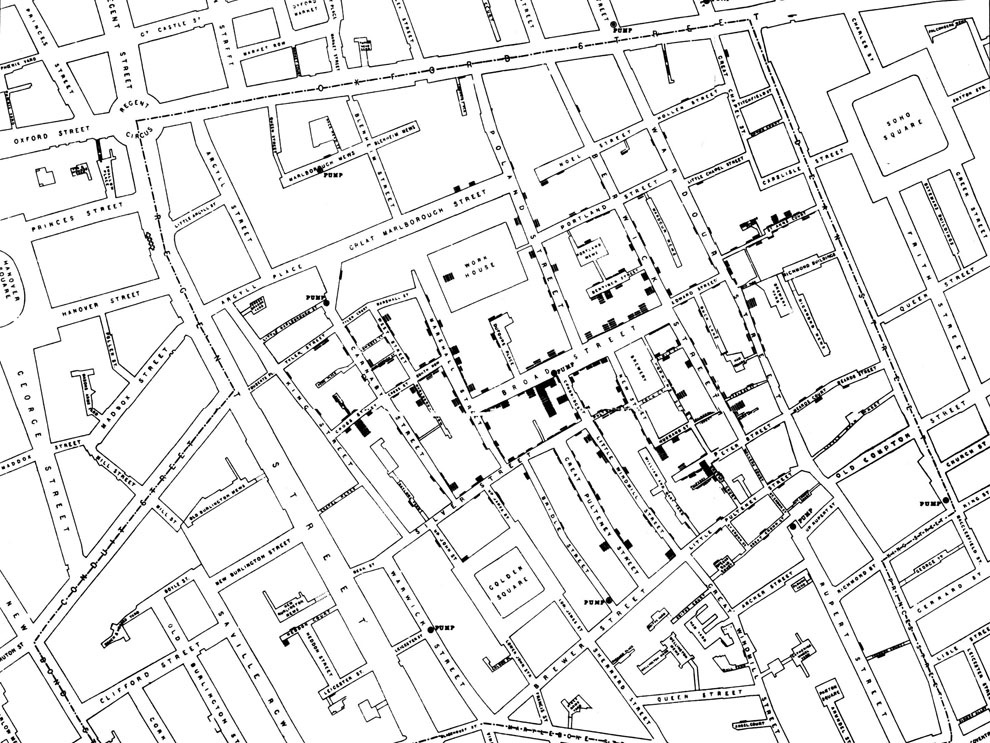
House after house near the pump was devastated. Meanwhile, people farther away, or those who used different water sources were far less affected. Even stranger, workers at a nearby brewery stayed healthy because they drank beer instead of water. A workhouse full of residents barely saw cases because it had its own well.
The pattern was undeniable.
Snow had found the culprit.
Confronting the Truth
Armed with his map and evidence, Snow approached local officials. He didn’t speak of vapors or bad air. He spoke of sewage leaking into drinking water. Of invisible threats moving through pipes instead of the sky.
Skepticism remained, but the deaths were impossible to ignore.
In a decisive move, officials removed the handle of the Broad Street pump.
Almost immediately, the outbreak slowed.
The killer had been disarmed.
Legacy of a quiet revolutionary
John Snow didn’t live to see his ideas fully accepted. Germ theory would come years later. But his work laid the foundation for modern public health. He showed that disease wasn’t random, mystical, or inevitable, it followed patterns that could be studied, mapped, and stopped.
Today, epidemiologists still walk in Snow’s footsteps. They track outbreaks, analyze data, and ask the same core questions he did in Soho:
Where is the disease?
Who is affected?
What connects them?
From cholera to COVID-19, the methods remain strikingly familiar.
So while Jon Snow may have defended the Wall, John Snow defended humanity. Armed not with a sword, but with a map, curiosity, and the courage to challenge what everyone else believed.
And that’s how a quiet doctor turned a citywide nightmare into the birth of epidemiology.
For more information
BBC. (2014). Historic figures: John Snow (1813–1858). BBC History. https://www.bbc.co.uk/history/historic_figures/snow_john.shtml
https://www.bbc.co.uk/history/historic_figures/snow_john.shtml

 Think Like a Scientist
Leave a comment