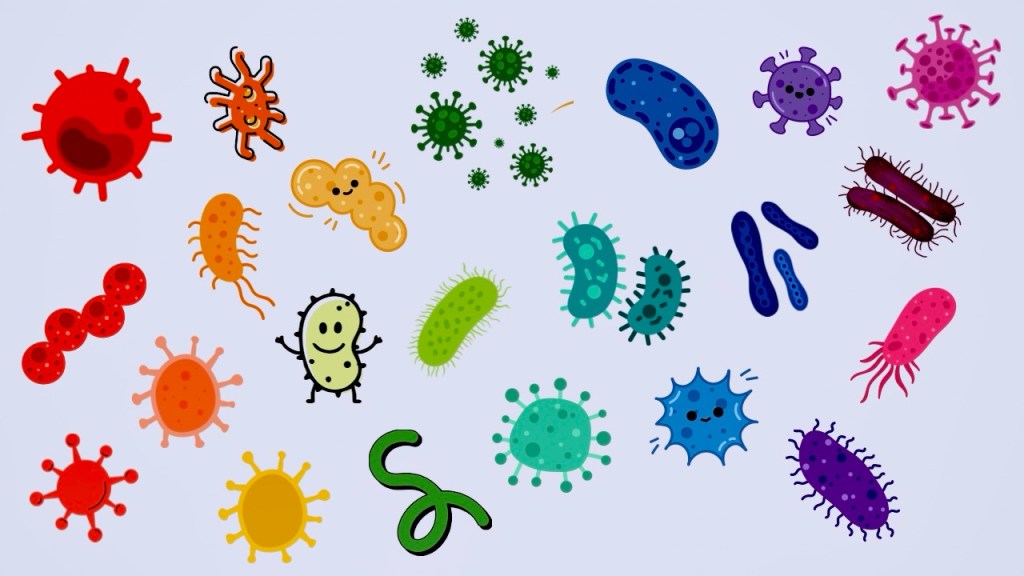
Imagine living in a world where no one knows why people get sick.
Hospitals are dangerous places. Surgery is often a last resort, not because the operation itself is impossible, but because infection is almost expected. Epidemics sweep through cities, emptying homes and overwhelming graveyards. Doctors argue about causes, blaming bad air, foul smells, or moral weakness. No one washes their hands, because no one thinks it matters.
This was life before germ theory, and it is the world that gave rise to public health.
Today, we know germs are everywhere. Bacteria, viruses, fungi, and parasites live on our bodies, in animals, in soil, and in the air around us. They shape ecosystems and influence our health every day. But for most of human history, these invisible organisms were completely unknown. Disease felt random, terrifying, and uncontrollable.
Everything changed when a few scientists began asking a simple but revolutionary question. What if disease was caused by something too small to see?
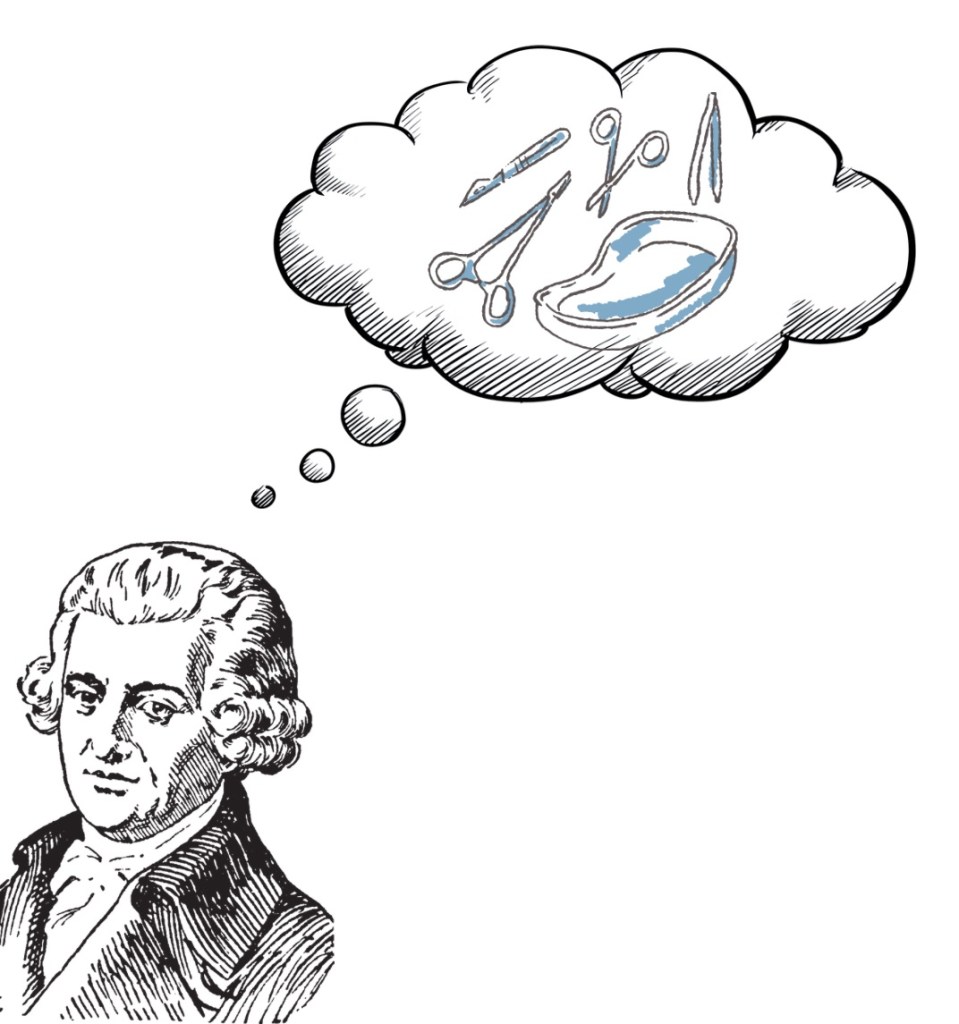
Joseph Lister and the Operating Room
In the mid nineteenth century, surgery was brutal. Patients often survived the procedure only to die days later from infections that doctors could not explain. Surgical tools were reused without cleaning. Surgeons moved from patient to patient without washing their hands.
Joseph Lister suspected that invisible microbes were entering wounds and causing infection. Inspired by early work on microorganisms, he began cleaning surgical instruments and wounds using antiseptics.
The results were dramatic. Mortality rates dropped. Patients who once would have died began to recover.
Lister showed that preventing the spread of germs could save lives. This idea transformed surgery and introduced one of the most important principles of public health: prevention works.
Robert Koch and the Rules of Disease
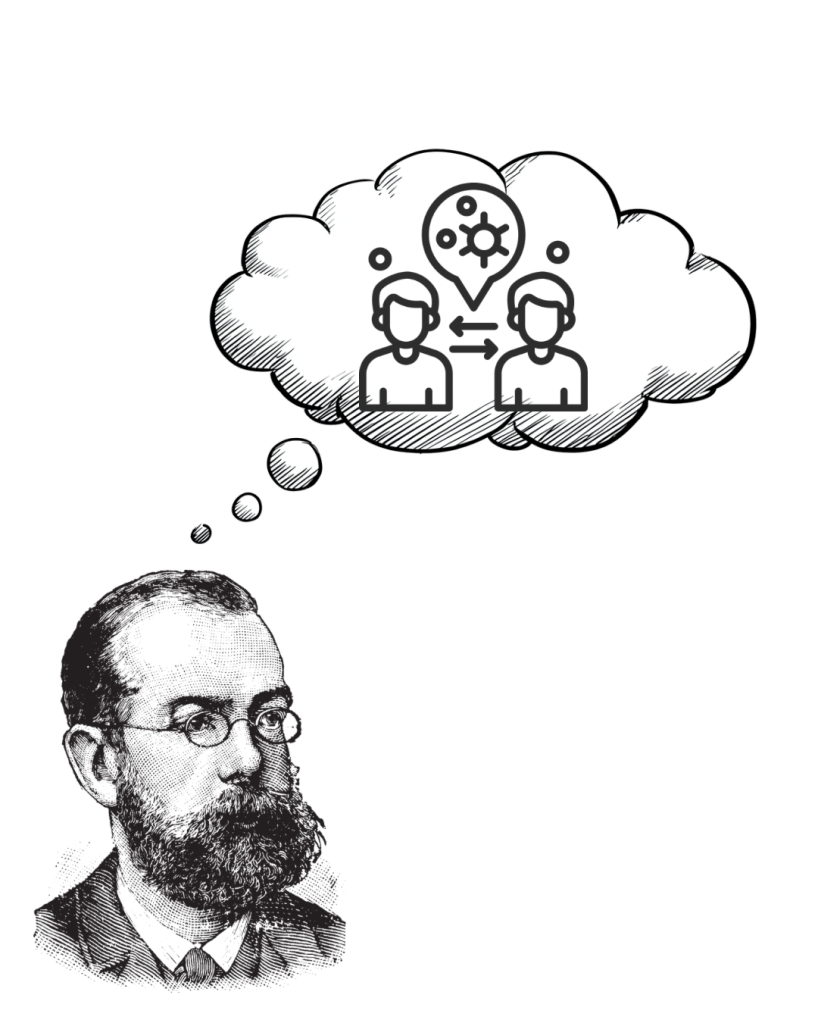
While Lister focused on stopping infections, Robert Koch wanted proof.
Koch identified the specific microbes responsible for anthrax, tuberculosis, and cholera, three of the deadliest diseases of the time. His work led to Koch’s postulates, which established that a particular germ causes a particular disease and that it can spread from person to person.
For the first time, disease followed clear rules. It could be studied, traced, and controlled.
Koch’s discoveries laid the foundation for epidemiology, outbreak investigations, and modern disease surveillance. Public health was no longer guesswork. It became a science.
Louis Pasteur and Winning Public Trust
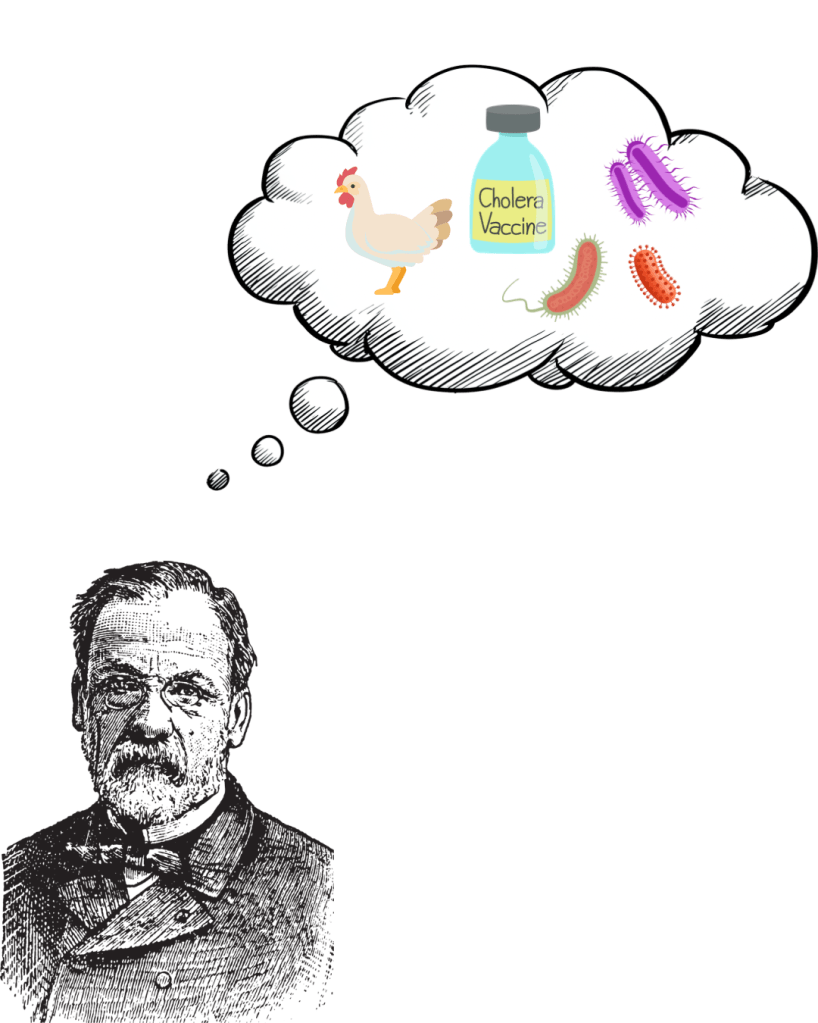
Louis Pasteur may be best known for his scientific discoveries, but his greatest contribution was helping the public understand them.
Pasteur proved that microbes caused decomposition and fermentation. He showed that heating liquids could kill harmful microorganisms, a process that became pasteurization. He also developed some of the earliest vaccines for chicken cholera, anthrax, and rabies.
But Pasteur did not keep his work confined to the laboratory. He staged public demonstrations, displayed vaccinated animals that survived deadly exposures, and worked closely with journalists and artists to explain his findings.
This was the beginning of public health communication. Pasteur understood that science only protects people if people trust it.
From Germ Theory to Today
The discovery of germs reshaped society. Clean water systems, sanitation, vaccines, food safety laws, and infection control practices all grew from this single idea. Once people understood that disease could spread from person to person, they also learned how to stop it.
Germ theory still shapes our lives today. It guides how we respond to outbreaks, design vaccines, and protect communities during public health emergencies. The challenges may look modern, but the science behind them is rooted in discoveries made more than a century ago.
Public health began when we learned to see the unseen, and it only works when we stay curious, follow the evidence, and think like a scientist.
Citations and More Information
Harvard University Library. (n.d.). Germ theory. CURIOSity Digital Collections. https://curiosity.lib.harvard.edu/contagion/feature/germ-theory
Science History Institute. (n.d.). Louis Pasteur. In Scientific biographies. https://www.sciencehistory.org/education/scientific-biographies/louis-pasteur/

 Think Like a Scientist
Leave a comment