Science misinformation is everywhere, especially on social media. One dramatic video claiming “This common food causes cancer!” can make anyone panic for a moment. That’s because misinformation is designed to grab your attention before you have time to think.
The good news?
-You don’t need a degree in biology to see through misleading science posts.
-You just need the right questions.
Here’s how to think like a scientist when scrolling social media.
1. Start With the Most Important Question: “Who Wins If This Is True?”
Most viral science claims exist because someone benefits from you believing them.
Follow the money.
Ask yourself:
Does this creator sell supplements or detox cures? Is their “warning” pushing you toward a product or brand?
If a post scares you and then immediately offers a solution for sale…that’s marketing, not science.
To quote my favorite movie…
Follow the fame.
Some people benefit from attention, not money.
Controversial, dramatic claims get:
-More views
-More followers
-More engagement
Science rarely goes viral, but misinformation often does because it’s designed to shock you.
2. Know Why Misinformation Feels So Convincing
Understanding the psychology behind misinformation helps you avoid falling for it.
We love simple answers.
Science is full of nuance. Misinformation gives one bold, confident answer, and that feels easier to believe.
Fear grabs attention.
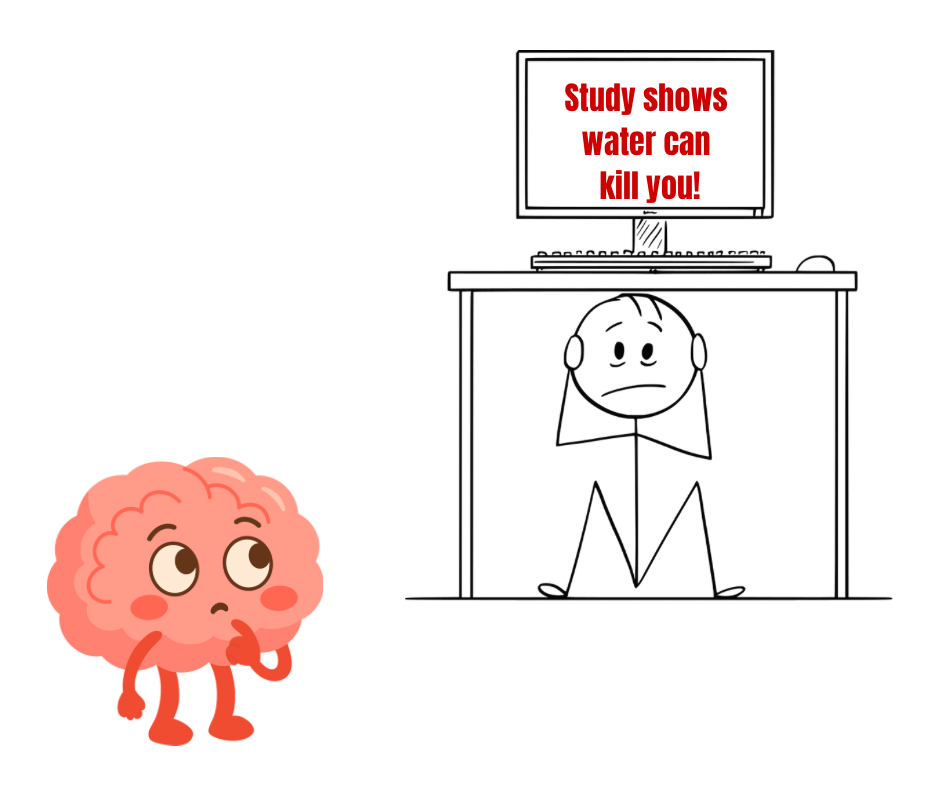
Anything that sounds dangerous instantly feels important.
Confidence looks like expertise.
People can be confidently wrong and still sound trustworthy.
Misinformation is faster than truth.
Here’s the fastest way to judge whether a claim is legit:
Facts need explanation; misinformation needs a sentence.
That’s why it spreads so easily.
3. Use This Quick “Science Signal” Checklist
✔ Are there real citations or links to studies?
-“Says a study” doesn’t count.
✔ Does it match scientific consensus?
-One influencer is not equal to thousands of experts.
✔ Is it peer-reviewed?
-Preprints and personal blogs are not verified science.
✔ Is a small study being treated like a breakthrough?
-No single study proves anything.
If these signals are missing, pause.
4. Watch for Emotional or Manipulative Language
Science communicates facts.
Misinformation communicates emotion.
Red flags include:
🚩“Doctors don’t want you to know this”
🚩“Wake up before it’s too late”
🚩“Miracle cure”
🚩“Guaranteed results”
When someone tries to scare you into believing something, they’re not educating you, they’re manipulating you.
5. Ask: “Does This Fit How Science Actually Works?”
Real science is:
-Slow
-Repetitive
-Reviewed by many experts
-Open to being challenged
Science does not break exclusively on Facebook or TikTok.
If a claim suggests:
A secret cure hidden from the public!
A giant global conspiracy!
A massive discovery that only one creator knows about!
…it’s almost guaranteed misinformation.
6. Why Fact-Checking Matters
This isn’t just about avoiding false information.
Science misinformation affects real people in real ways.
It has led to:
-Vaccine fears
-Dangerous “natural cures”
-Distrust in public health
-Wasted money
-False hope
You Don’t Need to Be a Scientist You Just Need to Think Like One
Thinking like a scientist means:
-Asking good questions
-Checking sources
-Not letting fear do the thinking
-Being okay with “I need more information”
Anyone can do that.
Next time a dramatic claim pops up on your feed, take a breath, ask who benefits, look for the science signals, and trust your ability to think critically.
You’ve got this.

 Think Like a Scientist
Leave a comment