We have all heard phrases like “scientists have proved it” or “that’s the theory” but what do those phrases actually mean? Understanding what we read in the news, what we hear at the doctors, and how we understand the world around us starts with understanding science.
Science isn’t about proving things once and for all, it’s about asking questions, testing ideas, and constantly refining what we know.
Step 1: It Starts With a Question
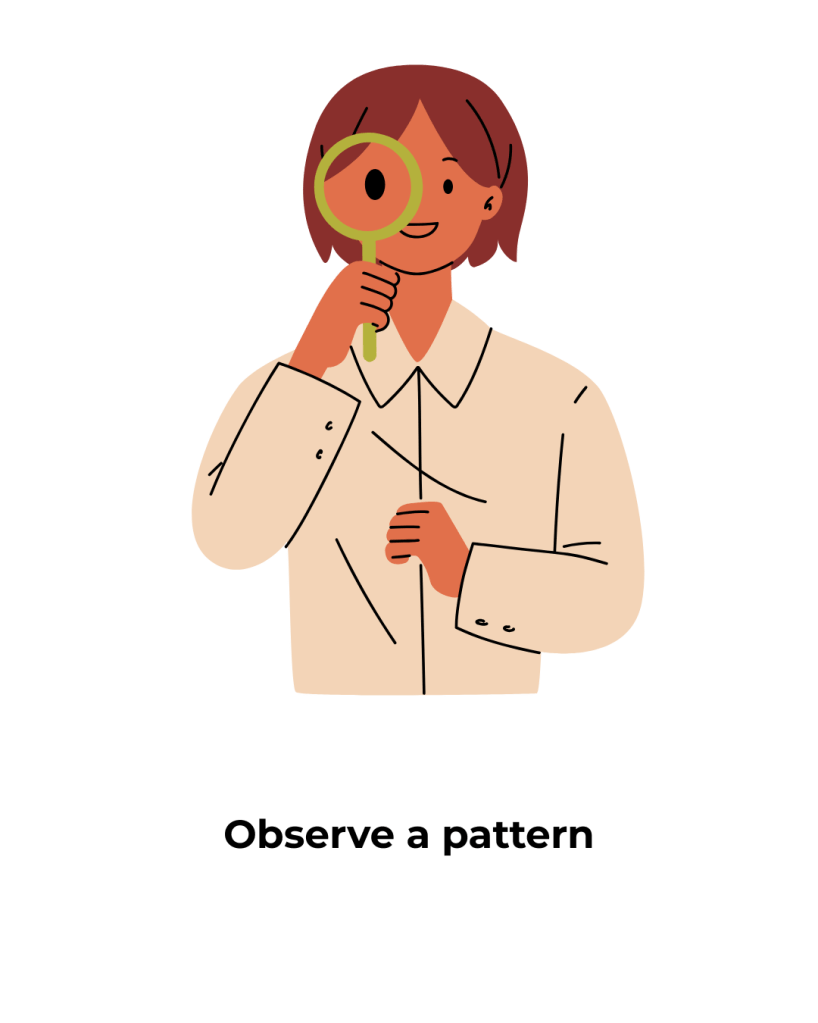
Every scientific breakthrough begins with curiosity. A scientist observes a problem, and asks a question. They observe something, notice a pattern, see something that sparks an idea.
For example:
A scientist notices that some people are more resistent to specific viruses.
Step 2: The Hypothesis
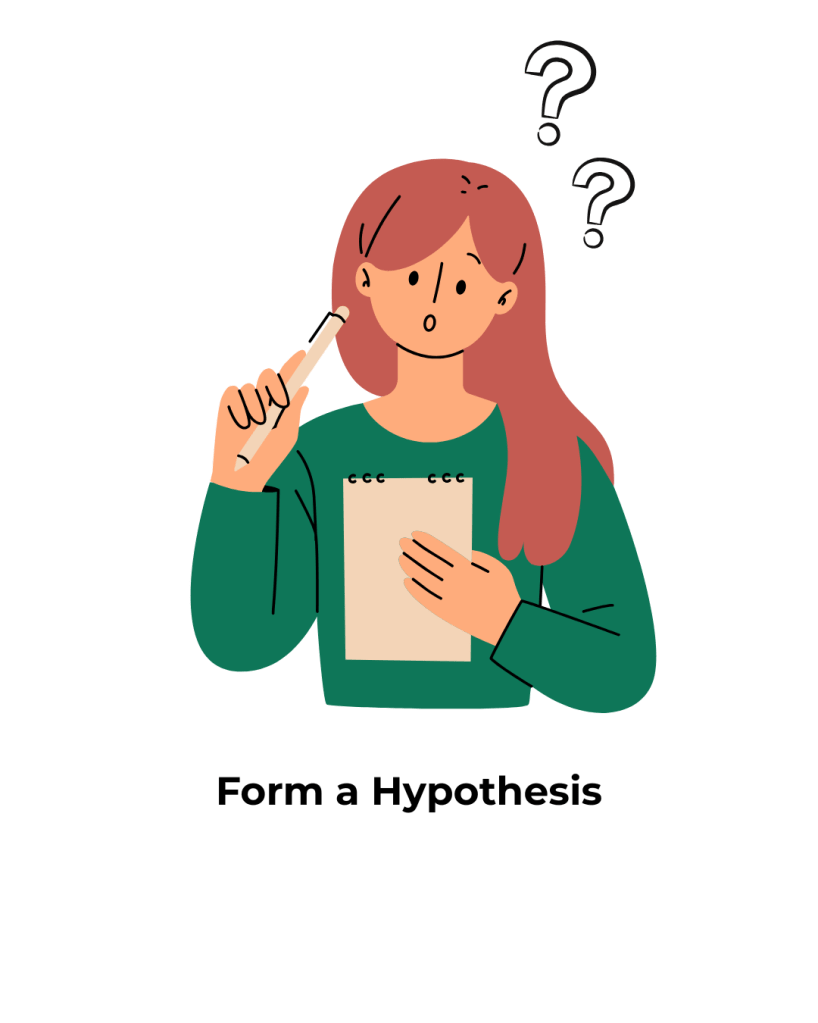
A Hypothesis is an educated guess or question that is testable. The question is rooted in background knowledge, previously conducted research, and observation. It is not just a random guess.
For Example:
“Are people who intake more zinc in their diets less likely to be infected with Influenza?”
A good hypothesis is specific, testible, and falsifiable. There has to be a way to show that the hypothesis can also be incorrect. If there is enough evidence then the hypothesis can be supported.
Step 3: Testing the Hypothesis
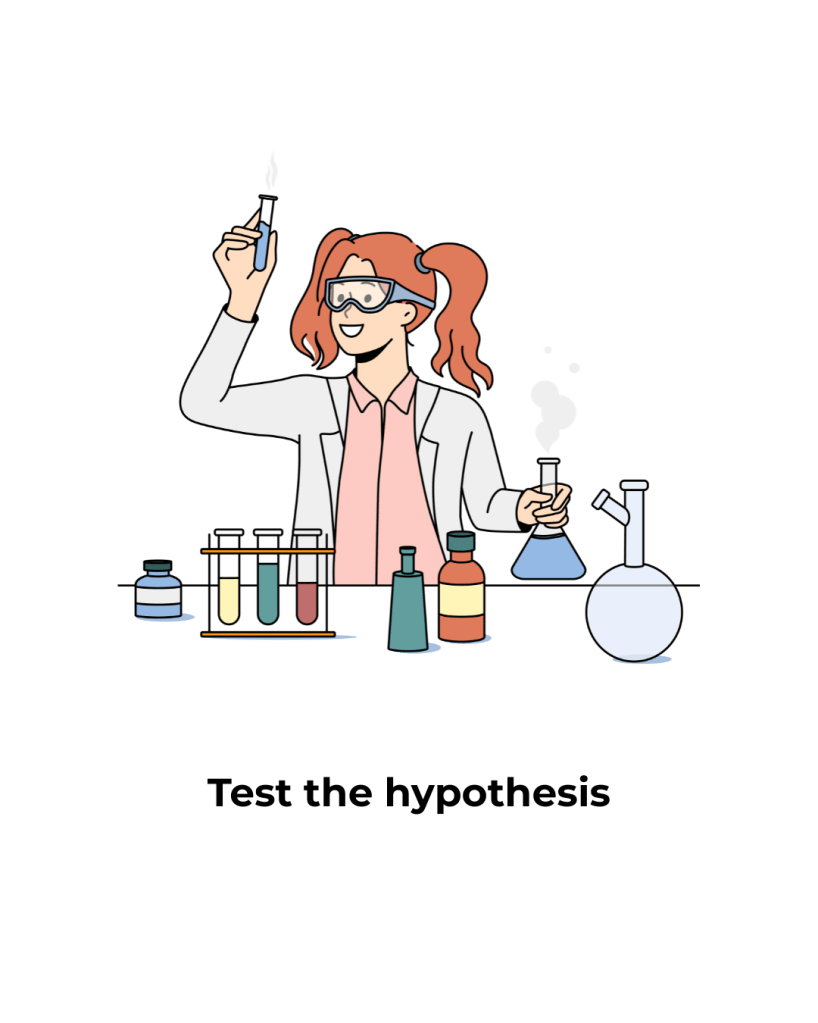
Once a hypothesis is formed, an experiment is designed to properly collect data that will show if the hypothsis is supported or not. Collection of data can involve lab testing, surveys, field studies, or computer modeling.
Key parts:
- Variables: the thing being measured or tested
- Controls: used to compare results to eliminate bias
- Repetition: The collection of data can be done multiple times, more is better when it comes to data
- Example: samples are collected from individuals who were infected with the flu and those who have never been infected to test zinc levels.
Step 4: The Results

When scientists have collected all the data and information they don’t just say their hypothesis has been proven. The data is carefully analyzed to see if the results show that the hypothesis was supported.
By looking at the results and comparing them to the controls, the hypothesis can be supported or not. Maybe the study showed the hypothesis can be supported under certain conditions. Maybe something unexpected resulted raising new questions.
That’s the beauty of science, each answer leads to more questions.
For example: the samples that were collected would be statistically analyzed to determine if they have correlations between zinc levels and flu infection.
Step 5: From Hypothesis to Theory
A scientific theory is a well-tested explanation for broad range of observations and evidence. These theories develop over years of testing, replication, and refinement.
One of the biggest misconceptions about science is that its job is to “prove” things.
In reality, science is a self-correcting process that’s constantly testing, challenging, and improving our understanding.
Why does this matter?
Understanding the scientific process helps us interpret new discoveries and media headlines with a more critical eye.
When we see a single study claiming “coffee cures everything” or “a new miracle supplement discovered,” we can ask:
Was that just one experiment, or has it been replicated? What was the hypothesis being tested? What are the limitations of the study?
So the next time you read about a new “breakthrough,” take a moment to think like a scientist.
Because true understanding doesn’t come from certainty; it comes from curiosity.

 Think Like a Scientist
Leave a comment